Posts by Earth Sub
← Back to page
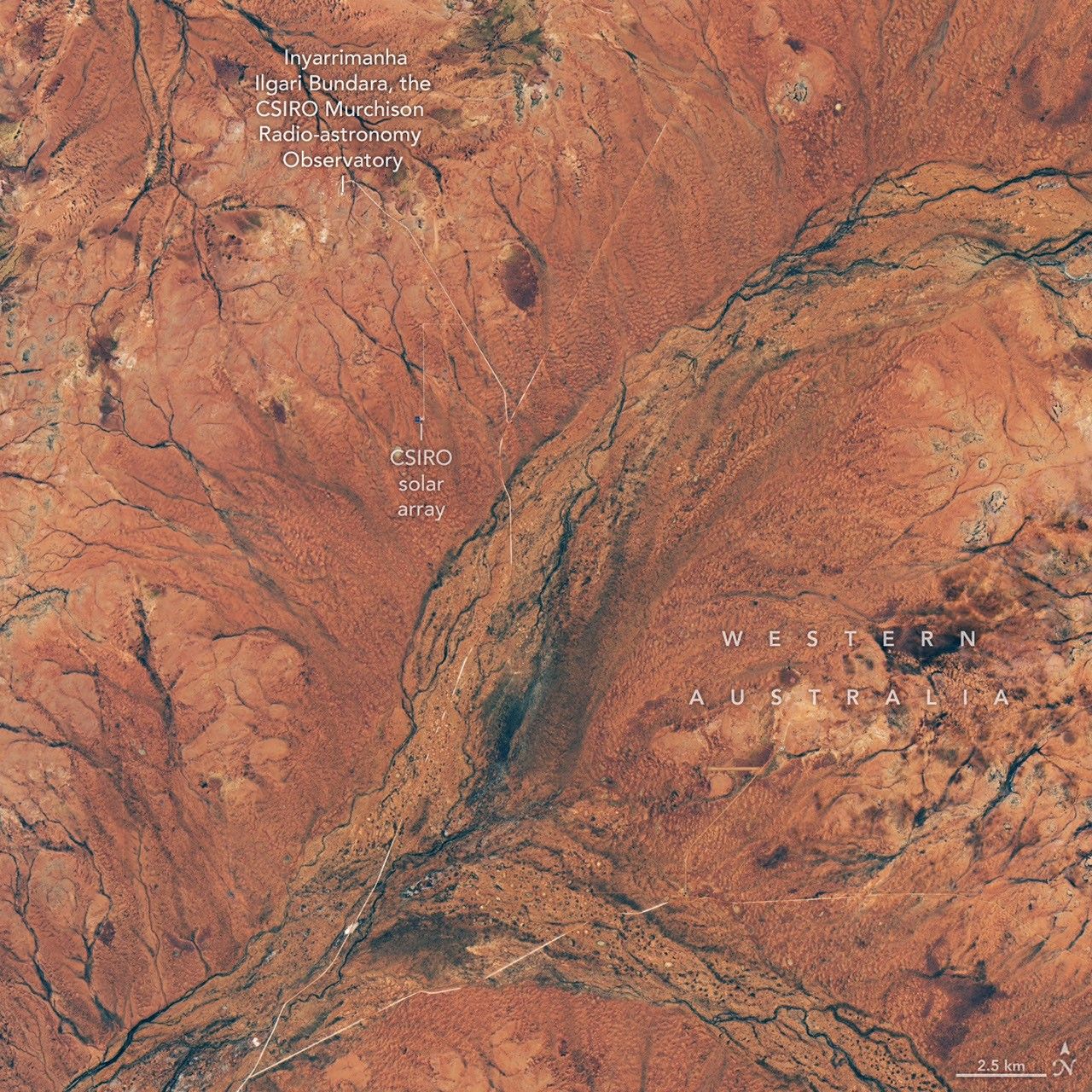
Boom Year for Desert Blooms Winter precipitation in Western Australia recently triggered a widespread emergence of seasonal vegetation across previously barren terrain. The landscape experienced a notable proliferation of native flora following these seasonal weather events. NASA Earth Observatory science.nasa.gov/earth/earth-ob… #EarthScience…
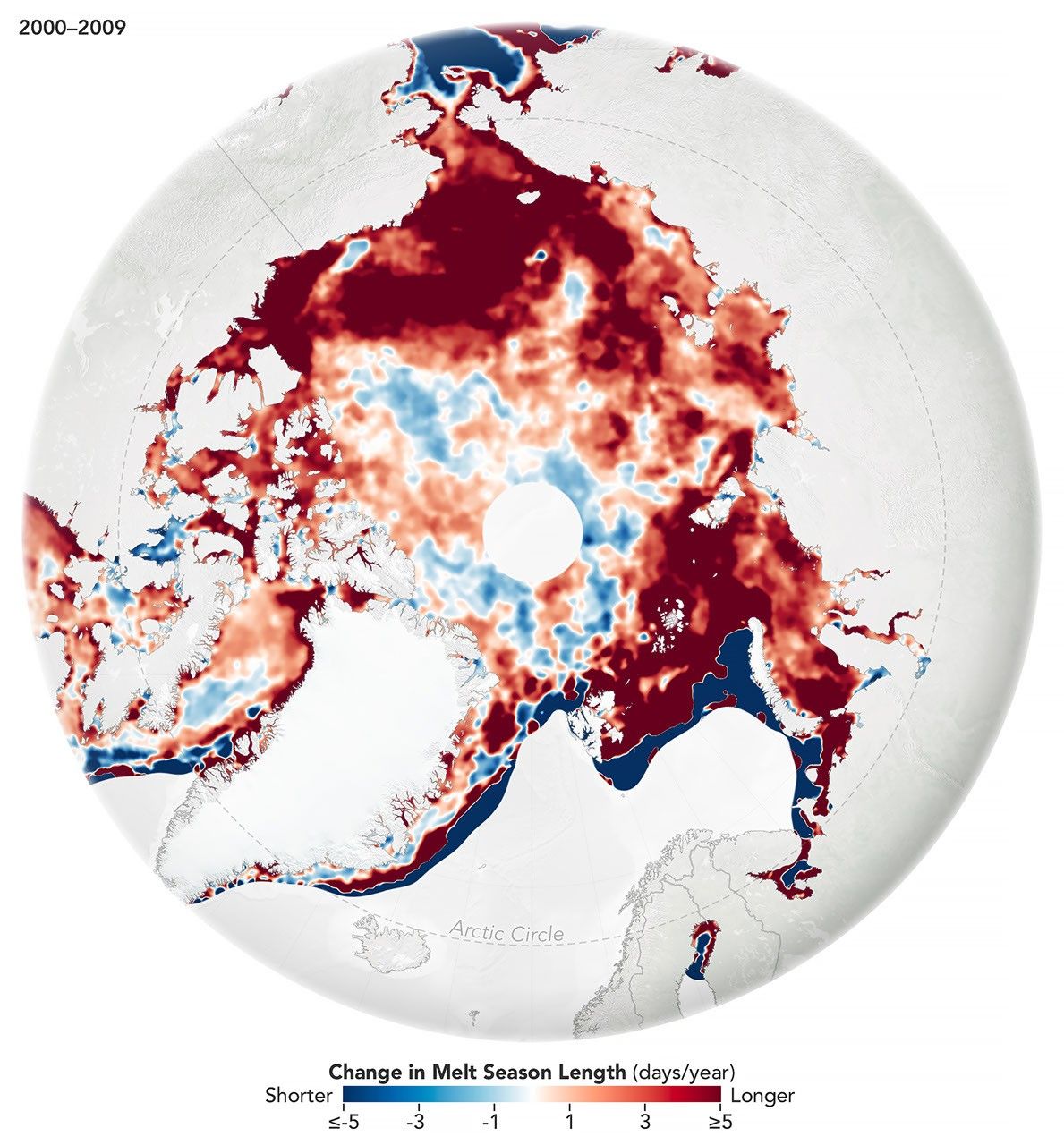
Arctic Melt Season Length Levels Off While the sea ice melt season has lengthened dramatically in most of the satellite era, the trend unexpectedly stabilized around 2010. The post Arctic Melt Season Length Levels Off appeared first on NASA Science . NASA Earth Observatory science.nasa.gov/earth/earth-ob… #EarthScience #Enviroment…
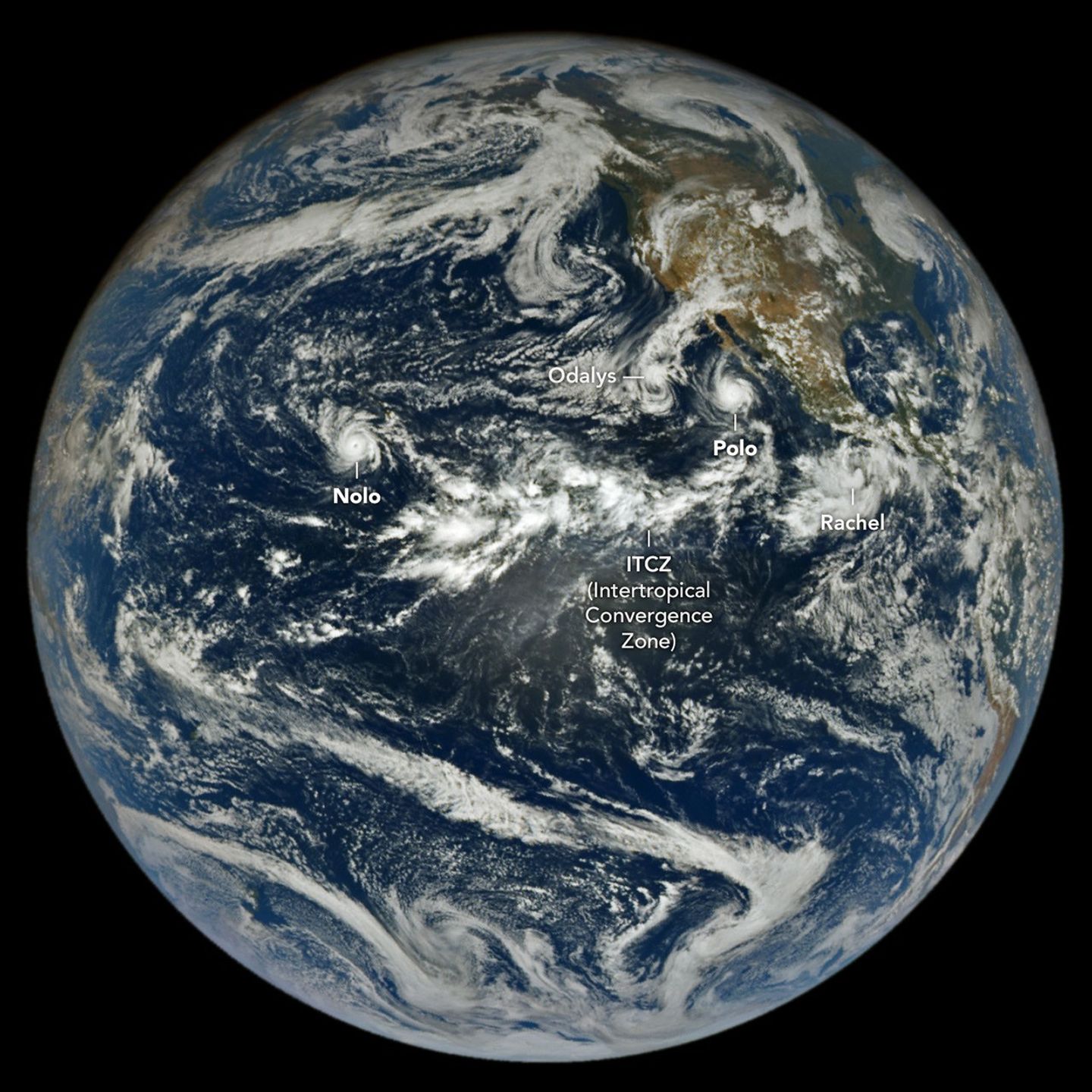
Powerful Storms Continue to Prowl the Pacific An exceptionally active tropical cyclone season in the northeastern and central Pacific basins has generated numerous powerful storms, including Hurricanes Polo and Nolo, which have brought destructive weather conditions to land. By late September, the region experienced a significantly higher volume of named storms and hurricanes compared to…
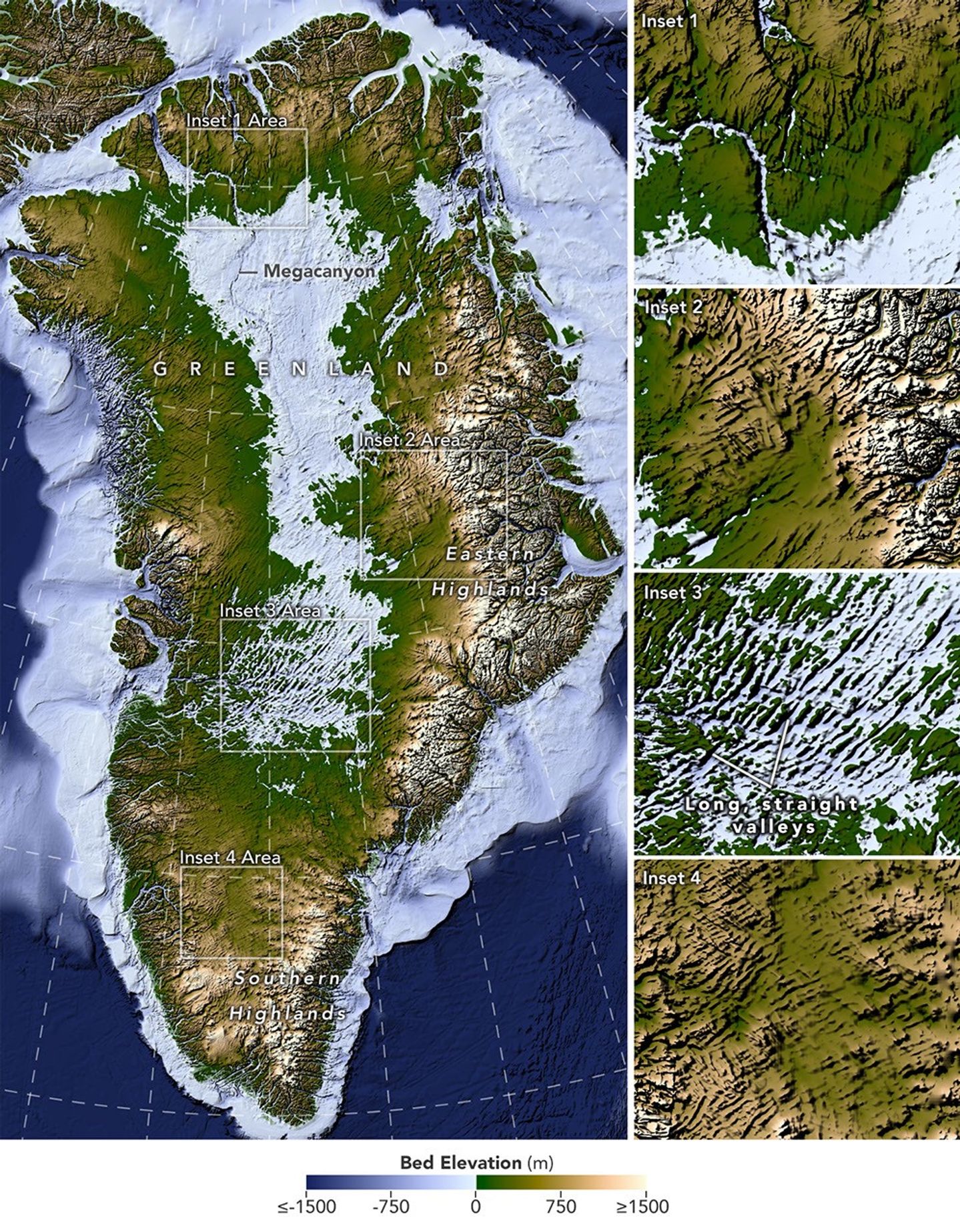
Uncovering the Valleys Hidden Below Greenland’s Ice A new map of the terrain beneath the Greenland Ice Sheet links hundreds of valleys that previous maps missed or left fragmented. The post Uncovering the Valleys Hidden Below Greenland’s Ice appeared first on NASA Science . NASA Earth…
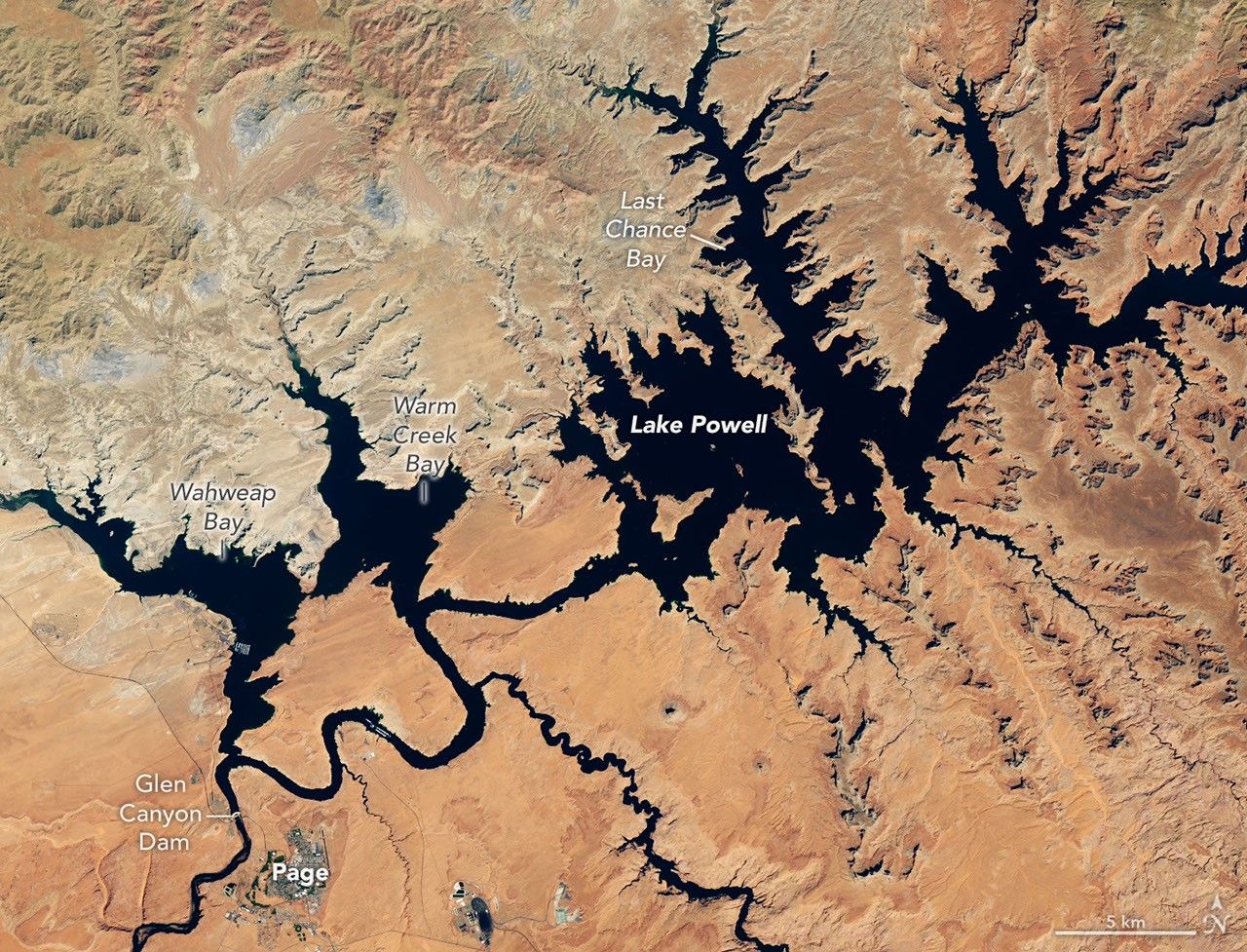
Lake Powell Drops to Record-Low Levels Lake Powell reached historic low water levels by late summer 2026, driven by a winter snow drought and unseasonably warm temperatures across the Upper Colorado Basin. The severe decline followed a meager mountain snowpack that produced minimal seasonal runoff, causing the reservoir to drop below previous records set in April 2023. Downstream, Lake Mead…
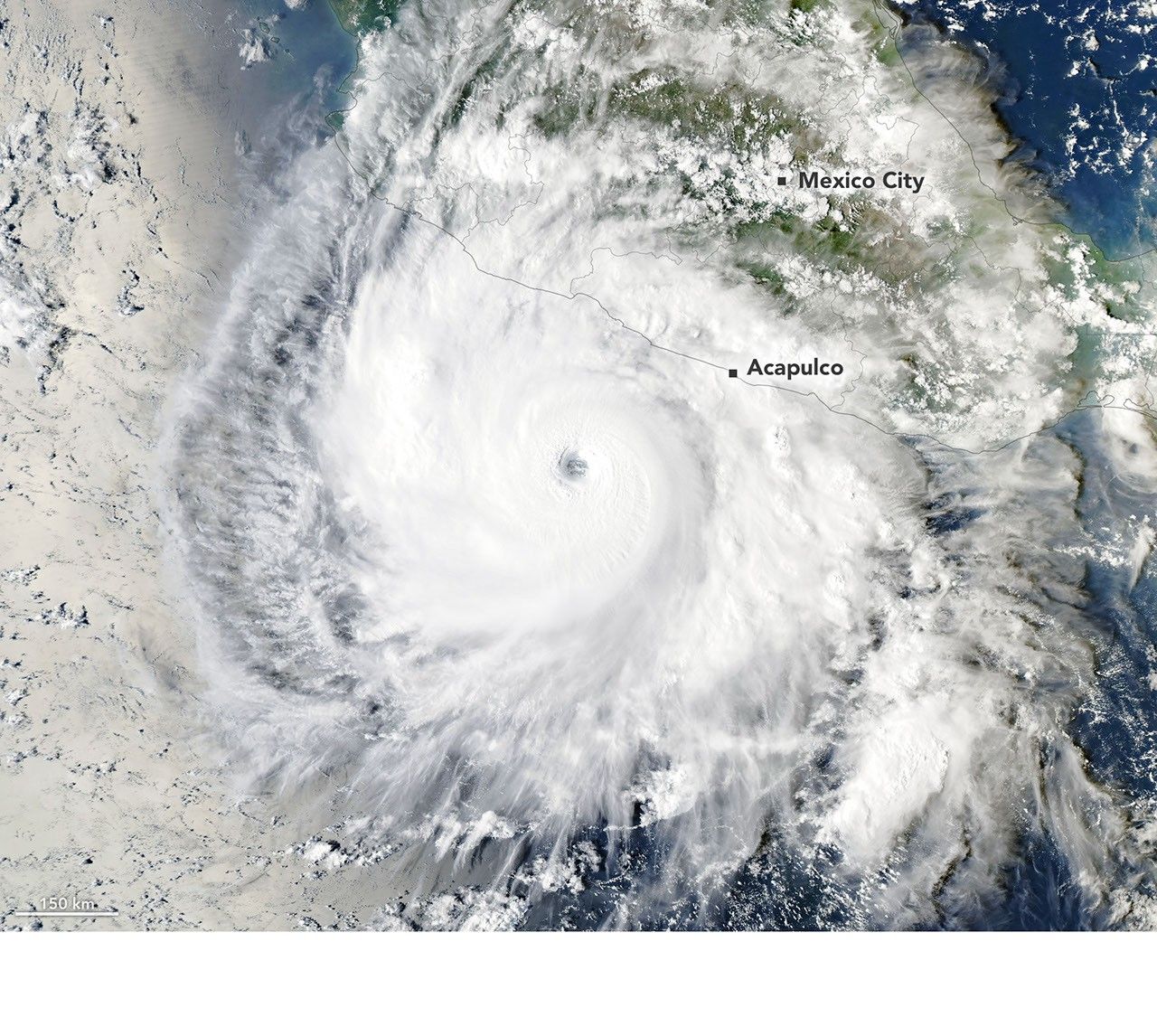
Explosive Intensification for Hurricane Polo A powerful storm formed off the Mexican Pacific coast after multiple atmospheric factors aligned. This weather event resulted in one of the most severe systems recorded in that region. NASA Earth Observatory science.nasa.gov/earth/earth-ob… #EarthScience #Enviroment #Sustainability #Nature…
Bees found an unlikely new food source, and it could reshape how a destructive forest disease travels. New research published in NeoBiota has found that the Western honey bee—an introduced species to Australia—and the devastating, invasive plant fungus known as myrtle rust (Austropuccinia psidii) may have formed a mutually beneficial relationship known as "invasional mutualism." Myrtle rust is…
You're all caught up
Follow more people and pages to see more posts.